
Skip to content
  • Clear communication
  • Free inspections
Denver, CO (303) 555-0155
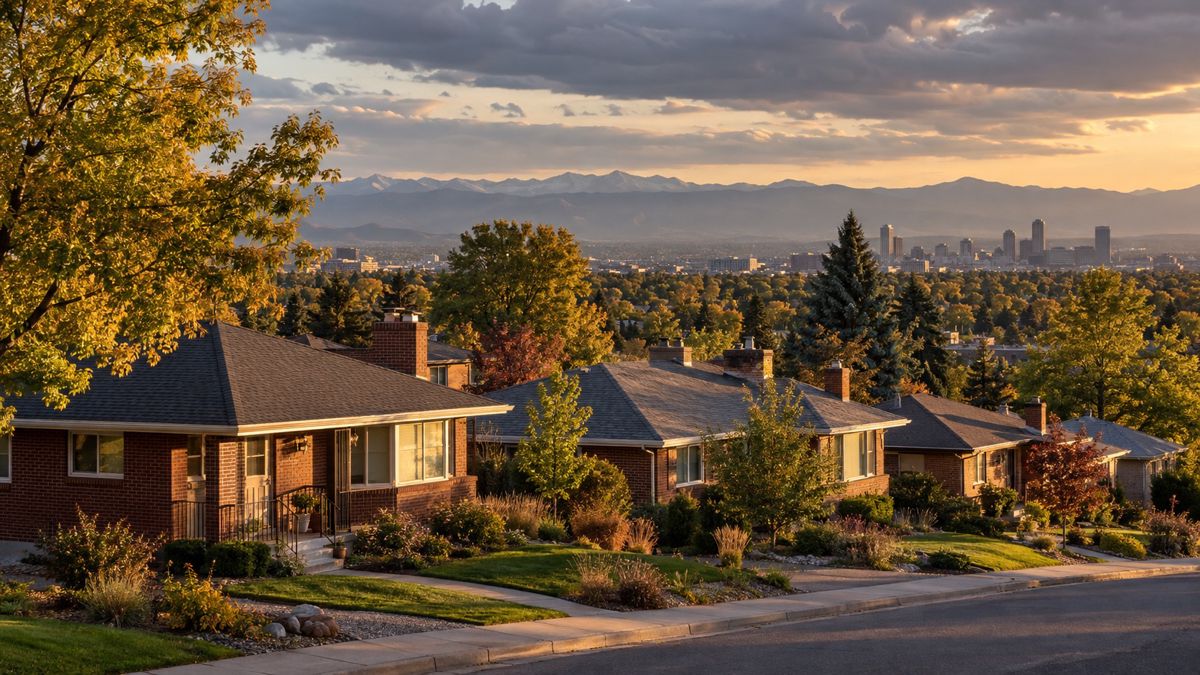
Denver neighborhood rooftops at golden hour with mountains in the distance

Suburban HOAs and office park roofs

Roofing in Centennial, CO for homes and commercial buildings

Shingle roofs, hail damage and commercial flat roofs for Centennial. Request a written quote and we will confirm availability for your building.

  • Hail and storm damage work
  • Homes and commercial buildings
  • Written quote before work starts
  • Clear communication
  • Free inspections
  • Written estimates
  • Local crew

Centennial is a mix of suburban streets and business parks

Centennial lies south of Denver along the Interstate 25 and C-470 corridors, with large residential subdivisions built over several decades and busy office and retail areas close by. That blend means two quite different kinds of roofing work. Homes mostly have asphalt shingle roofs on pitched frames, while the business districts are full of flat and low-slope roofs on offices, medical buildings and apartment complexes.

Both face the same sky: strong sun, hail, wind off the plains and winter freeze-thaw.

We take the time to ask which type of roof you have before suggesting a path.

HOA rules, similar rooflines and storm clusters

Many Centennial neighborhoods are governed by homeowner associations, and those rules often address shingle color, style and sometimes impact rating. Because homes on a street were frequently built around the same time, their roofs tend to age together. When hail passes through, many properties can need work at once, and crews and materials get stretched.

Arapahoe Road, Parker Road and Colorado Boulevard link the area, and the neighborhoods on either side often have a similar look. A reliable record of your roof's age, color and type can make approvals easier.

Roofing services for Centennial homes and buildings

We serve Centennial with the five services covered on this site.

Property managers with several buildings can ask for a combined survey, and homeowners can start with a single inspection. If you are unsure which service fits, describe the building and what you have noticed, and we will point you to the right page.

The materials differ, but so do the questions we ask. Common factors:

  • Roof type. Pitched shingle roofs and flat membrane roofs fail in different ways.
  • Drainage. Flat roofs need working drains and scuppers, because ponding water ages the membrane.
  • Access and safety. Commercial buildings may require scheduling around tenants or business hours.
  • Warranty and records. Building managers often need documentation for owners or lenders.

We spell out what is included for either type in writing.

Rooftop units, skylights and parapet walls are further details on commercial buildings that influence the scope. We ask about them early so that nothing surprises you later.

Permits, HOA review and planning around occupants

Re-roof permits are generally required in the Denver area, and requirements vary by jurisdiction. Centennial is its own city and nearby areas fall under other jurisdictions, so check which rules apply to your address. For homes, the HOA may need to approve color and material before the order is placed.

On commercial properties, planning matters more. Tenants may need notice about noise and access, parking areas may be reserved for equipment, and building systems such as rooftop units must be protected. We discuss logistics when we scope the work.

Photos of the HOA letter help us plan.

Asking for a Centennial roofing quote

Call (303) 555-0155 or use the form. We serve Centennial but are not based there, so your request is how we confirm availability.

  1. Tell us whether the property is a home or a commercial building.
  2. Share the address, roof type if you know it and your concerns.
  3. Send photos of any damage or leak signs, and any HOA or tenant requirements.
  4. We arrange a roof visit.
  5. Your written quote then lists the scope, the materials and what is left out.

Take a look at how we work for more information.

Larger roofs can be surveyed in one visit.

Get a quote in Centennial

Tell us what you need and we call you back.

No obligation.

Step 1 of 3

What do you need?

Questions about Centennial

Do flat commercial roofs suffer from hail in Centennial?

Yes. Large hail can puncture membranes, crush insulation and damage drains, rooftop units and metal flashing. Sometimes the damage only shows up as leaks months later. An inspection after a big storm gives the building manager a clear record. Include roof access details in your quote request. Photos of any dents on rooftop equipment are helpful.

Can a roof be replaced while tenants are inside?

Often, yes, with planning. Noise, debris control and safe access are the main concerns. Work can be phased in sections or scheduled at quieter hours. We discuss tenant notices, parking for equipment and protection of rooftop systems before work starts. Ask us about quiet-hours scheduling.

What does my HOA usually require for a new roof?

Requirements differ, but many ask for a sample, the manufacturer's color name and the shingle type, and some limit materials. Submit the application before ordering. Reviews can take time. We can supply the product details for your application, though the homeowner normally submits it. Applying early avoids delay when many neighbors are applying at once.

How do I know if ponding water on a flat roof is a problem?

Standing water that remains a day or two after rain is worth attention. It adds weight and accelerates wear on the membrane, and it can point to blocked drains or low spots. An inspection can show whether cleaning, a small repair or a larger fix is needed. Clearing leaves and debris from drains is a simple first step that building staff can do.

Is it worth inspecting a building roof yearly?

A routine inspection, perhaps once a year and after major storms, helps catch small problems early. Building managers often find this cheaper than responding to leaks. We can provide a written summary with photos, so you have a record of condition over time. A written history also helps if the building changes hands.